
Every home has a few spots that refuse to stay clean. You wipe the kitchen counter at night, and by morning there’s a new pile of mail, a coffee ring, and someone’s lunch container. You scrub the bathroom on Saturday, and by Wednesday the sink looks like it never happened.
This isn’t a motivation problem. These rooms get messy because they get used the most, and they collect the kinds of mess (grease, moisture, dust, paper, and “I’ll put that away later” piles) that build up fast.
These are our 5 messiest areas in your home cleaning tips, based on the homes we clean every week. For each room, you’ll find why it gets so messy, a quick daily routine, a weekly reset, what a deep clean covers, and the mistakes that make cleaning harder than it needs to be.
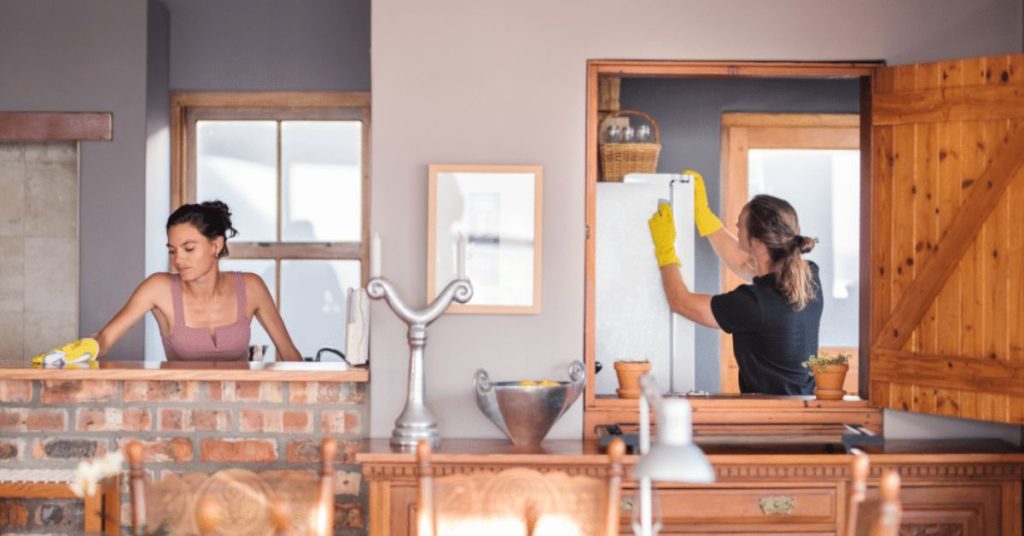
1. The Kitchen
The kitchen handles food, heat, water, and foot traffic all day, so it collects grease, crumbs, spills, and clutter faster than any other room. It’s also the room where cleanliness matters most for hygiene, so it’s the best place to start.
Why it gets so messy
- Grease travels. Cooking sends a fine film of oil through the air. It settles on the stovetop, range hood, backsplash, and the tops of cabinets, then collects dust and turns sticky.
- Counters become a landing zone. Mail, keys, chargers, backpacks, and groceries end up there, which leaves less space to prep food and makes wiping harder.
- Moisture and food hide in the gaps. The sink drain, dish rack, trash can, and fridge shelves are all spots where residue sits until it smells.
The 10-minute daily kitchen reset
- Load the dishwasher or wash what’s in the sink. Don’t leave anything “to soak” overnight.
- Wipe the counters and stovetop with a damp cloth and a little dish soap.
- Clear everything that doesn’t belong on the counters.
- Rinse the sink and wipe the faucet.
- Take out the trash if it’s full or smells.
- Sweep or spot-clean the floor in front of the sink and stove.
The weekly kitchen reset
- Wipe down cabinet fronts and handles, which pick up more grease and fingerprints than most people realize.
- Clean the microwave. Heat a bowl of water for a few minutes first so the steam loosens the splatter.
- Toss expired food from the fridge before grocery day, then wipe the shelves.
- Wash the sink and drain, and replace or sanitize the sponge.
- Mop the floor.
What a deep clean covers
A deep clean reaches the places that don’t get touched in a weekly reset:
- Inside and behind the oven, range hood filters, and the backsplash
- The tops of cabinets and the fronts of appliances
- Behind and under the refrigerator and stove
- Inside drawers and cabinets
- Baseboards, light switches, and door frames
If you want these tasks handled for you, our deep cleaning service covers them, and a recurring cleaning schedule keeps the kitchen from sliding back.
Common kitchen mistakes
- Using a dirty sponge or dish cloth to “clean” counters. It spreads residue around. Switch to a fresh cloth often.
- Spraying cleaner and wiping right away. Most disinfectants need to stay wet on the surface for a set time to work. Check the label for the contact time.
- Letting the fridge go too long. Small spills turn into sticky spots that are harder to remove later.
2. The Bathroom
Bathrooms are small, but they combine moisture, soap, hair, and toothpaste, which is why they look dirty so quickly. The dampness also encourages mildew, and that’s why a bathroom can look dirty even when you cleaned it recently.
Why it gets so messy
- Moisture lingers. Steam and wet towels keep the room damp, which helps mildew grow in grout, caulk, and shower corners.
- Soap scum builds in layers. Hard water and soap leave a film on glass, tile, and faucets that dulls the surface and gets tougher with time.
- Products multiply. Bottles on every ledge mean more surfaces to move, wipe around, and dust.
The 5-minute daily bathroom habit
- Wipe the sink and counter after brushing your teeth.
- Squeegee the shower walls or glass after use, or give them a quick wipe with a towel.
- Hang towels so they dry completely instead of bunching up.
- Run the exhaust fan during and for about 20 to 30 minutes after a shower, or crack a window if you have one.
The weekly bathroom reset
- Spray and wipe the toilet, including the base and behind the seat, which are the spots people tend to miss.
- Clean the tub or shower, starting at the top and working down.
- Scrub the sink, faucet, and handles.
- Wipe the mirror last, so you catch any splashes from earlier steps.
- Shake out the bath mat and launder it regularly.
- Mop the floor, paying attention to corners and around the base of the toilet.
What a deep clean covers
- Scrubbing grout lines and re-treating stained areas
- Removing built-up soap scum and hard-water spots from glass and fixtures
- Cleaning the exhaust fan cover, where dust builds up
- Wiping baseboards, door frames, and the tops of cabinets
- Cleaning inside drawers and under the sink
Common bathroom mistakes
Using abrasive scrubbers on delicate surfaces. Some tile, natural stone, and fixtures scratch or lose their finish. Check what your surfaces are made of first.
Mixing cleaning products. Never combine bleach with ammonia or with acidic cleaners. The fumes can be dangerous. Use one product at a time and rinse between them.
Skipping the ventilation. Cleaning helps, but if moisture stays in the room, mildew will keep coming back.
3. The Living Room
The living room is where people relax, host guests, watch TV, play, and sometimes eat. That mix of use means clutter, crumbs, and dust build up even if the room looks fine from a distance.
Why it gets so messy
- It’s shared by everyone. Blankets, remotes, toys, shoes, and half-read books land there throughout the day.
- Soft surfaces hold dust. Sofas, rugs, throw pillows, and curtains trap dust, pet hair, and allergens, so a room can look clean and still feel stuffy.
- Electronics gather dust quickly. TV screens, speakers, and cables attract it, and it’s easy to forget they need wiping.
The 10-minute daily living room reset
- Collect everything that belongs elsewhere into one basket and put it away in a single trip.
- Fold blankets and fluff pillows.
- Straighten the coffee table and clear cups and plates.
- Vacuum or sweep the high-traffic path if you can.
The weekly living room reset
- Dust from top to bottom: shelves, picture frames, lamps, then lower surfaces.
- Vacuum the sofa cushions and under them, since that’s where crumbs and coins collect.
- Vacuum rugs and floors, including along the baseboards.
- Wipe the TV screen with a dry microfiber cloth. Avoid spraying liquid directly onto it.
- Wipe remotes, light switches, and door handles, which are touched constantly.
What a deep clean covers
- Moving furniture to clean underneath and behind it
- Dusting ceiling fans, vents, window sills, and blinds
- Spot-cleaning or deep-cleaning upholstery and rugs
- Cleaning baseboards and corners
- Washing washable covers and curtains
Common living room mistakes
Vacuuming without emptying the canister or changing the filter. A full vacuum loses suction and leaves dust behind.
Giving every item a “temporary” spot. Piles become permanent. Give common items a real home, like a basket for blankets, a tray for remotes, and a bin for toys.
Dusting with a dry cloth that flicks dust into the air. A slightly damp microfiber cloth captures dust instead of spreading it.
4. The Bedroom
You’d expect the bedroom to be the easiest room to keep clean, but it often becomes a place where clothes, laundry, and paperwork pile up. And because you spend about a third of your life asleep there, dust and allergens matter more than people think.
Why it gets so messy
- Clothes are the biggest culprit. The “chair pile” of worn-but-not-dirty clothes grows until the chair disappears.
- Dust settles on every surface. Nightstands, headboards, and dressers collect it, and bedding and carpet hold it too.
- It’s the last room anyone cleans. When time is short, the bedroom gets skipped because guests don’t see it.
The 5-minute daily bedroom habit
- Make the bed. It makes the whole room look finished in about a minute.
- Put dirty clothes in the hamper and hang or fold the rest.
- Clear the nightstand of cups, wrappers, and anything that doesn’t belong.
- Open the curtains and a window if you can, to let fresh air in.
The weekly bedroom reset
- Wash sheets and pillowcases. Weekly works well for most people, and every two weeks is a reasonable minimum.
- Dust surfaces from top to bottom, including the headboard and the top of the dresser.
- Vacuum the floor and under the bed.
- Empty the trash can.
- Put away or relocate anything that has drifted in from other rooms.
What a deep clean covers
- Vacuuming the mattress and washing pillows, duvets, and mattress protectors as their care labels allow
- Dusting blinds, ceiling fans, vents, and window sills
- Cleaning baseboards, door frames, and closet shelves
- Moving the bed and dressers to clean behind and beneath them
- Cleaning carpets or hard floors thoroughly, including edges and corners
Common bedroom mistakes
Letting clutter collect on flat surfaces. Every flat surface is a magnet. Keep a few meaningful items out, and give everything else a drawer or shelf.
Storing things under the bed with no plan. Boxes and bins collect dust and make vacuuming harder. If you use under-bed storage, choose lidded containers.
Washing sheets in a rush on a cold, short cycle. Check the care label and wash according to it, so they actually get clean.
5. The Home Office
With more people working from home, the home office has moved from a spare corner to a room that gets used all day. It’s a classic messy area because paper, cables, cups, and snacks all end up on the same desk.
Why it gets so messy
- Paper is slow to deal with. Mail, receipts, notes, and printouts pile up because sorting them feels like a separate task.
- Cables and devices multiply. Chargers, adapters, and cords tangle together and collect dust behind the desk.
- Eating at the desk leaves residue. Crumbs and cup rings build up on the desk, keyboard, and mouse.
The 5-minute end-of-day desk reset
- Take cups, plates, and wrappers to the kitchen.
- Put papers into one of three places: file, action tray, or recycling.
- Wipe the desk surface.
- Push in the chair and put loose items back where they belong.
The weekly office reset
- Wipe the keyboard, mouse, monitor, phone, and desk with a lightly damp microfiber cloth. Check your device’s care instructions first.
- Shake out or turn over the keyboard to remove crumbs.
- Dust shelves, lamps, and the area around cables.
- Sort and file or shred anything that’s piled up.
- Empty the trash and recycling.
- Vacuum or sweep, including under the desk.
What a deep clean covers
- Dusting behind the desk, around power strips and cable bundles (with the devices turned off)
- Cleaning vents, baseboards, window sills, and blinds
- Wiping the chair, including armrests and the base
- Cleaning inside drawers and shelves
- Reorganizing storage so the office stays manageable
Common home office mistakes
- Cleaning electronics with sprays or wet cloths. Moisture can damage them. Use a dry or barely damp microfiber cloth and follow manufacturer guidance.
- Keeping every piece of paper “just in case.” Decide quickly: file, act, or recycle.
- Skipping cable management. A few cable clips or ties make dusting around the desk far easier.
Habits That Make Every Room Easier to Keep Clean
Once you’ve set up room-by-room routines, a few habits make all of them easier.
Set realistic goals. A 10-minute reset you actually do beats a two-hour cleaning plan you never start. Start with one room, build the habit, then add another.
Declutter first, then clean. You can’t clean around clutter. You just move it. Sort a drawer, shelf, or counter into keep, donate, and trash before you pull out the cleaning supplies.
Give everything a home. Items without a place end up on the counter. A basket by the door, a tray for mail, and a hook for bags solve most daily clutter.
Clean top to bottom. Dust and crumbs fall, so start high (shelves, light fixtures) and finish low (floors).
Share the work. Everyone who lives in the home helps make the mess, so everyone can help clean it. Young kids can put toys away and carry laundry to the hamper. Older kids can set the table, feed pets, and empty small trash cans. Teens and adults can own recurring jobs like bathrooms, laundry, or trash and recycling. A shared chart or note keeps things fair and clear.
Use the right tools. Microfiber cloths trap dust better than feather dusters. A vacuum with good suction and a clean filter makes every floor easier. A squeegee in the shower saves a lot of scrubbing over time.
Add a little fun. A playlist or podcast can make a 15-minute reset feel shorter.
A Simple Schedule You Can Follow
| When | What to do |
|---|---|
| Daily (10-15 min) | Dishes and counters, quick bathroom wipe, make the bed, pick up clutter |
| Weekly | Floors, bathrooms, dusting, bedding, kitchen reset, trash and recycling |
| Monthly | Baseboards, light fixtures, microwave, window sills, vacuum upholstery |
| Quarterly or seasonally | Behind and under appliances, grout, windows, mattress, oven, closets |
When It Makes Sense to Bring in a Professional
Even with great habits, there are weeks when work, kids, travel, or life take over. A professional cleaner gives you a reliable baseline and handles the jobs that take the most time and energy, such as bathrooms, kitchens, floors, and deep cleaning. Your daily habits then only have to maintain the results.
Many households start with a single deep clean to reset the home, then move to a recurring schedule (weekly, every two weeks, or monthly) so the work doesn’t build back up.
Quick Answers
How long should a daily cleaning routine take? Most homes need 15 to 30 minutes a day if the routine is consistent and clutter is under control.
Which room should I clean first? Start with the kitchen and bathroom. They affect hygiene the most, and a clean result there gives you momentum.
How often should I deep clean? Most households do well with a full deep clean once or twice a year, plus monthly and quarterly tasks in between. Homes with pets, kids, or allergies often benefit from deep cleaning more often.
What’s the fastest way to keep clutter under control? Give every item a home, and do a short pickup at the end of each day. Clutter is much easier to handle in small daily doses than in one big weekend.
Is it worth hiring cleaners if I already clean regularly? Many people find that cleaners handle the tasks that are easy to put off, like baseboards, behind appliances, grout, and detailed bathroom work, so their own routine stays light.
The Takeaway
Tackling the messiest areas in your home doesn’t require perfection or a free weekend. Pick one room, set a small daily routine, add a weekly reset, and schedule deeper cleans on the calendar. When you need extra help, bring in a professional so the work gets done and your time goes to the things you’d rather be doing.
A clean home isn’t about doing more. It’s about doing small things consistently, and getting help with the big things.
About Not Your Average Cleaners
Not Your Average Cleaners provides recurring maid service, deep cleaning, move-in/move-out cleaning, and post-construction cleaning across the Bay Area, including Oakland, Emeryville, Berkeley, Alameda, Fremont, and Santa Rosa. Request a free quote or find us on Google.
Quote Form
← Next Blog Post: New Year, Same Mess? Tips to Tidy Up Fast in 2025
